Efficient Waste Removal Services in Whitechapel
Introduction to Waste Removal in Whitechapel
Whitechapel, a vibrant area in East London, has seen significant growth over the years. With this growth comes the increasing need for efficient waste removal services to maintain the cleanliness and hygiene of the community. Proper waste management is crucial not only for environmental sustainability but also for the overall well-being of the residents.
Whether you're a homeowner, business owner, or property manager in Whitechapel, understanding the available waste removal options is essential. This article explores the various aspects of waste removal in Whitechapel, highlighting the services, benefits, and best practices to keep the area clean and green.
In this comprehensive guide, we'll delve into the types of waste generated in Whitechapel, the importance of proper waste disposal, and how local waste removal services cater to the unique needs of the community. By the end of this article, you'll have a clear understanding of how to effectively manage waste in Whitechapel.
Types of Waste in Whitechapel
Residential Waste
Residential areas in Whitechapel generate a variety of waste, including household garbage, recyclables, and organic waste. Managing this waste effectively is essential to prevent environmental contamination and maintain public health.
Household Garbage: This includes non-recyclable items such as food packaging, used diapers, and broken household items. Regular collection and proper disposal are necessary to keep neighborhoods clean.
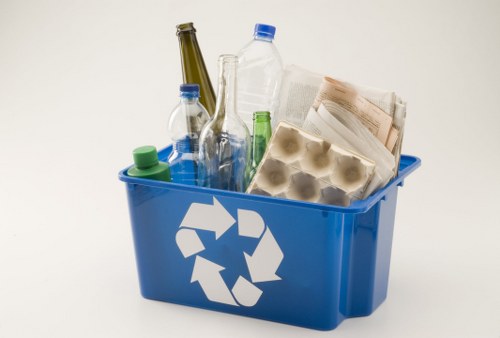
Recyclables: Materials like paper, cardboard, glass, and certain plastics can be recycled. Recycling helps reduce the amount of waste sent to landfills and conserves natural resources.
Commercial Waste
Businesses in Whitechapel produce commercial waste, which can be more complex to manage. This category includes office waste, construction debris, and industrial by-products.
Office Waste: Paper waste, electronic waste, and single-use plastics are common in office environments. Implementing recycling programs can significantly reduce the environmental impact.
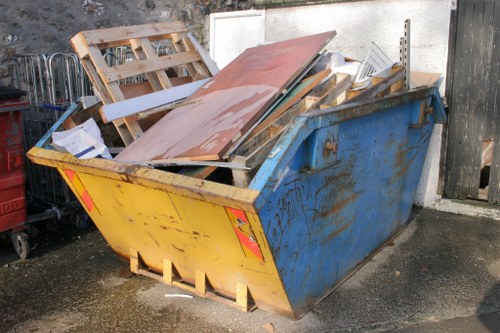
Construction Debris: Building projects generate large amounts of debris, including wood, metal, and concrete. Efficient removal and recycling of construction waste are crucial for sustainable development.
Importance of Proper Waste Removal
Effective waste removal is vital for several reasons:
- Environmental Protection: Proper disposal prevents pollution of air, water, and soil, safeguarding local ecosystems.
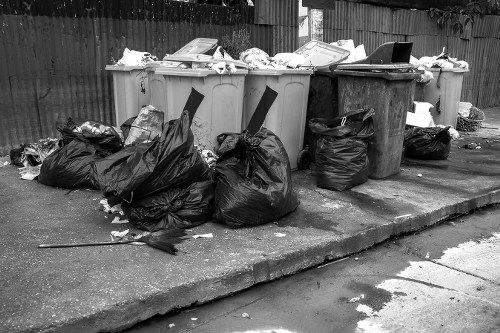
- Public Health: Reducing waste accumulation minimizes the risk of diseases and pest infestations.
- Aesthetic Appeal: Clean streets and public spaces enhance the overall appearance of Whitechapel, making it more attractive for residents and visitors.
Moreover, responsible waste management contributes to the circular economy by promoting recycling and reuse, thereby reducing the dependency on finite resources.
Implementing efficient waste removal systems ensures that waste is handled in an organized manner, reducing the strain on public services and infrastructure.
Local Waste Removal Services
Residential Services
Local waste removal companies offer tailored services for homeowners, including regular garbage collection, recycling programs, and bulk waste removal. These services ensure that residential waste is managed effectively, keeping neighborhoods clean and safe.
Regular Collection: Scheduled pickups ensure that household waste is collected consistently, preventing overflow and unsanitary conditions.
Recycling Programs: Comprehensive recycling services help residents separate recyclables from general waste, promoting sustainable practices.
Commercial Services
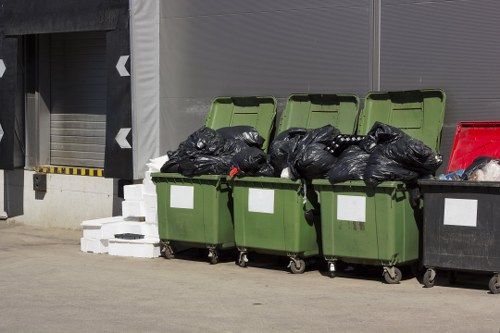
Businesses in Whitechapel can benefit from specialized waste removal services designed to handle higher volumes and diverse types of waste. These services often include on-site waste management solutions and customized collection schedules.
On-Site Management: Many waste removal companies provide on-site containers and management plans to handle commercial waste efficiently.
Customized Schedules: Flexible collection times accommodate the operational needs of businesses, ensuring minimal disruption.
Industrial Waste Management
Industrial facilities require robust waste removal solutions to handle hazardous and non-hazardous materials safely. Specialized services include waste treatment, disposal, and compliance with environmental regulations.
Compliance: Adhering to local and national regulations is essential for industrial waste management to avoid legal repercussions and environmental harm.
Safety: Proper handling and disposal of industrial waste ensure the safety of workers and the surrounding community.
Waste Removal Best Practices
Segregation of Waste
Separating waste into different categories such as recyclables, organic waste, and general waste facilitates more efficient processing and recycling. Proper segregation reduces the amount of waste that ends up in landfills.
- Recyclables: Paper, cardboard, glass, and certain plastics.
- Organic Waste: Food scraps and garden waste can be composted.
- General Waste: Items that cannot be recycled or composted.
Reducing Waste Generation
Minimizing the amount of waste produced is a fundamental aspect of sustainable waste management. Practices such as reducing, reusing, and recycling help decrease the overall waste footprint.
- Reduce: Opt for products with minimal packaging and avoid single-use items.
- Reuse: Repurpose containers and donate items that are still in good condition.
- Recycle: Ensure that recyclable materials are properly sorted and processed.
Proper Disposal of Hazardous Waste
Hazardous waste, including chemicals, electronics, and medical waste, requires special handling to prevent environmental contamination and health hazards. Professional waste removal services are equipped to manage these materials safely.
Safe Handling: Trained personnel handle hazardous waste following strict protocols.
Disposal Facilities: Specialized facilities process and dispose of hazardous materials in an environmentally responsible manner.
Technological Advances in Waste Removal
Automated Collection Systems
Advancements in technology have led to the development of automated waste collection systems. These systems optimize collection routes, reduce operational costs, and enhance efficiency.
- Smart Bins: Equipped with sensors to monitor fill levels and optimize collection schedules.
- Route Optimization: Software algorithms plan the most efficient routes for waste collection vehicles.
Recycling Innovations
Innovative recycling technologies have improved the processing of various materials, increasing the rate of recycling and reducing waste.
Advanced Sorting: Automated sorting systems use AI and robotics to accurately separate recyclables.
Material Recovery: Enhanced techniques recover more materials from waste streams, maximizing resource utilization.
Energy Recovery
Energy recovery from waste involves converting non-recyclable waste materials into usable energy, such as electricity or heat. This process reduces landfill usage and provides a renewable energy source.
- Incineration: Burning waste to produce energy while minimizing emissions.
- Biogas Production: Organic waste is decomposed to generate biogas, a renewable energy source.
Integrating these technological advancements into waste management practices enhances overall efficiency and sustainability.
Challenges in Waste Removal
Population Growth
The increasing population in Whitechapel leads to higher waste generation, putting pressure on existing waste management systems. Addressing this challenge requires scalable and adaptable waste removal solutions.
Infrastructure Expansion: Investing in infrastructure improvements to handle growing waste volumes.
Public Awareness: Educating residents about waste reduction and proper disposal practices.
Funding and Resources
Securing adequate funding and resources for waste management initiatives is often a significant challenge. Effective budgeting and investment in waste removal technologies are essential for sustainable operations.
Compliance with Regulations
Adhering to local and national waste management regulations can be complex, especially for businesses and industrial facilities. Ensuring compliance requires continuous monitoring and adaptation to changing laws.
- Environmental Standards: Meeting standards for emissions and waste disposal.
- Reporting Requirements: Maintaining accurate records and reporting waste management activities.
Public Participation
Public participation is crucial for the success of waste removal programs. Encouraging community involvement and fostering a culture of sustainability can significantly impact waste management outcomes.
Future of Waste Removal in Whitechapel
Sustainable Practices
The future of waste removal in Whitechapel lies in adopting sustainable practices that minimize environmental impact. Emphasizing recycling, composting, and energy recovery will be key to achieving long-term sustainability.
Community Engagement
Engaging the community through education and participation programs will enhance the effectiveness of waste management strategies. Collaborative efforts between residents, businesses, and waste removal services are essential for success.
Innovative Solutions
Continued innovation in waste management technologies will drive the efficiency and effectiveness of waste removal services in Whitechapel. Investing in research and development will pave the way for smarter, greener waste solutions.
Conclusion
Waste removal in Whitechapel is a critical component of urban sustainability and public health. By understanding the types of waste, the importance of proper disposal, and the services available, residents and businesses can contribute to a cleaner, healthier community.
Embracing best practices, leveraging technological advancements, and overcoming challenges through collective effort will ensure that Whitechapel remains a thriving and environmentally responsible area.
Contact us today to learn more about our waste removal services and how we can help you maintain a clean and sustainable environment in Whitechapel.
Discover Whitechapel House Clearance services offering efficient, reliable, and environmentally responsible property clearance tailored to your needs.
Get In Touch With Us.
Please fill out the form and we will get back to you as soon as possible.